

Cost of commuting: beyond the financial impact
This article breaks down the true cost of commuting by transportation mode, explains how it affects employee health and productivity, and shows how companies can reduce these expenses through hybrid work policies, commuting stipends, and better office coordination.
TL;DR
The cost of commuting should factor in fuel, maintenance, and the value of time spent traveling. Beyond money, commuting also affects employee health, productivity, and the environment. This makes hybrid work policies a strategic advantage for companies looking to reduce these hidden costs.
- Commute costs in the United States average $55 per day ($9,470/year) when including time and expenses
- Health impacts include higher stress, burnout risk, and reduced work-life balance
- Hybrid work and smart office coordination can cut commute frequency and costs significantly
What is the financial cost of commuting for your employees?
The cost of commuting adds up faster than most people realize. Combine direct expenses with the value of time lost, and the average American worker spends approximately $9,470 per year. That's roughly $55 per day just getting to and from work.
Here's how those costs break down by transportation mode:
[Table1]
The price of coming to work by car
If having a car is a requirement for your employees, this implies additional spending. The average car commuter spends around $1,249 annually on fuel and basic maintenance alone. That's just the start.
The full picture includes:
- Vehicle purchase or lease payments
- Car insurance premiums
- Regular maintenance and repairs
- Fuel costs (varying by region and vehicle efficiency)
- Tolls and parking costs
Weekly, they need to fill up on gas and sometimes pay tolls to reach the office. All these expenses should be considered when talking about the financial cost of commuting, not just fuel.
How parking costs add to your commute expenses
Parking costs are often the hidden expense that catches commuters off guard. Monthly parking in major urban centers can run $200-500 or more, making effective parking management solutions essential for hybrid offices. Even suburban office parks increasingly charge for parking or have limited free spots.
The cost varies dramatically by location. A parking spot in Manhattan averages over $500 per month. A suburban office park might be free but require a longer drive. Either way, parking adds friction and expense to every office visit.
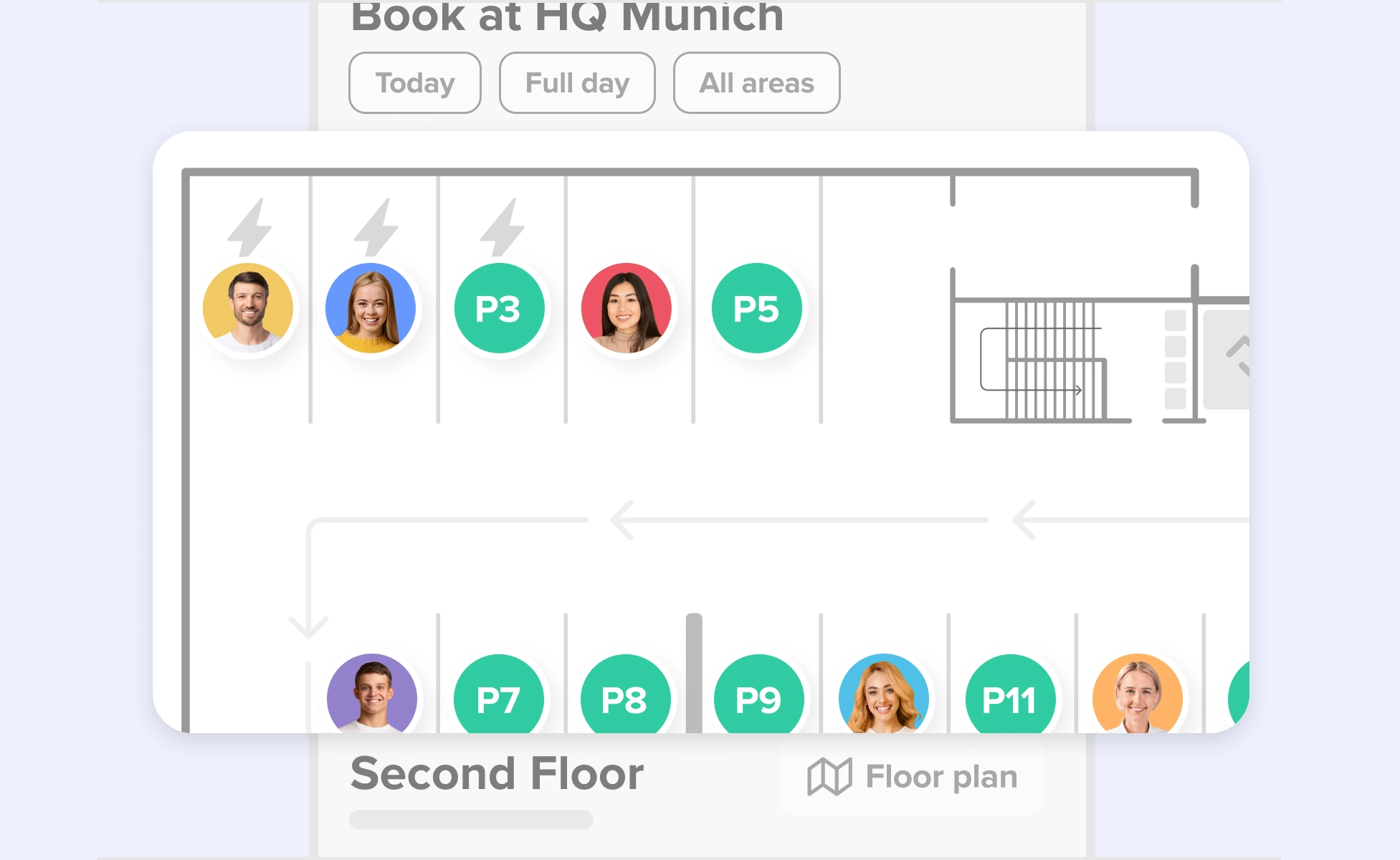
For companies managing hybrid workplaces, parking becomes a coordination challenge. When everyone shows up on the same days, spots fill up fast. Tools like deskbird include parking reservation features that let employees secure a spot before they commit to the commute.
The cost of commuting when using public transport
Commuting by car still dominates as the main way to get from point A to B. Public transport has become more common over the last few years. According to recent data, more than 74% of Americans commute by car, while around 15% use public solutions.
Taking public transport costs less than driving. Monthly transit passes in major U.S. cities range from $75-150, compared to $400+ for car commuting. For context, UK train commuters pay an average of $512 per month, showing how costs vary globally.
Public transport sometimes takes more time than driving, though. Not everyone has a bus, subway, or train station close to home.Commuter benefits like pre-tax transit programs can help offset these costs.

The work commute tax deduction
Many employees wonder if they can deduct commuting expenses from their taxes. Unfortunately, this is not possible. Only business travel costs qualify. All workers have to pay for their commute from home to workplace out of pocket.
Some employers offer pre-tax benefits that let workers set aside money for transit or parking before taxes are calculated. This can save 20-30% on commuting expenses. Many hybrid workers don't realize they qualify.
Some countries actively encourage carpooling through financial incentives. For example, France offered a €100 government bonus to new carpooling drivers from 2023 to 2024, and now supports sustainable commuting through the Forfait Mobilités Durables, which allows employers to reimburse carpooling expenses up to €600 per year tax-free.
As a company, you can also help your staff reduce or cover these costs. We explore this in more detail at the end of the article.
The correlation between low-income workers and longer commuting
We want to highlight an important aspect of commuting costs. Low-income workers often have the longest commutes in most parts of the world. They end up paying the most.
Commuting doesn't only have a financial cost. It also influences your staff's health, capacity, and productivity. Knowing this is crucial to avoid your team members' careers being negatively impacted due to where they live.
How does commuting affect your employees' psychological and physical health?
Beyond the dollar figures, there's a significant opportunity cost to commuting. On average, commuting accounts for 240 hours per year per employee in the U.S. At the median hourly wage, that's roughly $37.73 per day in lost time, or over $9,000 annually that workers can't spend on themselves, their families, or productive work.
Those 240 hours represent lost personal time. Workers can't use it to exercise, care for themselves, or spend time with family and friends. This lost time directly undermines employee well-being and job satisfaction. Traffic unpredictability and less sleep increase stress and fatigue. They also affect productivity. Multiple peer-reviewed studies have analyzed the effects of commuting on people's health. These studies consistently show similar findings. The main repercussions of daily commute include:
- Higher stress levels
- Poorer work-life balance
- More signs of exhaustion
- A negative impact on productivity
- A rise in the risks of employee burnout
Learn more about the link between hybrid work and employees' mental health.

The paradox of the impact of commuting on mental health
Overall, commuting negatively impacts employees' health. In specific situations, commuting can be positive. Post-COVID studies show that some workers miss commuting. This part of the day serves as a ritual to switch between home mode and work mode.
Research about the relationship between commuting and health outcomes reveals something interesting. People who need 45 minutes to reach the office differ from those with commutes over 1 hour. The longer-commute group actually presents fewer signs of stress than individuals with shorter commutes.
The solution to this contradiction
What can you do as a company? Adopting hybrid work is the best path forward. Letting employees work from home reduces commuting frequency. Coming on-site only a few times a week or month significantly decreases financial and health costs. Be flexible with those who don't see commuting as negative. Enable them to work from the office as often as they want.
What is super commuting and why does it matter?
Super commuting refers to commutes of 90 minutes or more each way. This trend has grown significantly as housing costs push workers farther from city centers while return-to-office (RTO) mandates pull them back to offices.
The rise of super commuting stems from several factors:
- Housing affordability forcing workers to live farther from job centers
- RTO mandates requiring in-person attendance after years of remote work
- Limited job markets in certain industries concentrating opportunities in expensive cities
- Reluctance to relocate for jobs that may change policies again
For super commuters, the costs multiply. A 3-hour daily round trip means 750+ hours per year spent traveling. The financial burden, health impacts, and productivity loss add up quickly.
Hybrid work offers a practical solution. When employees only need to make that long commute 2-3 times per week instead of daily, the burden becomes manageable. A well-structured hybrid work schedule is key to making those fewer office days count. The key is making those office days count by coordinating with teammates and ensuring the commute leads to meaningful collaboration.
How much does commuting cost the planet?
The environmental cost of commuting extends beyond individual wallets. Hundreds of millions of workers travel to offices daily worldwide. The collective environmental impact is significant.
Personal vehicles are the biggest polluters
Since 1990, transportation ranks as the third fastest-growing source of greenhouse gas emissions. Among all modes of transportation, personal vehicles create the highest amount of CO2 emissions at 58%. Experts estimate that every gallon of gas burned by a single car releases an additional 19.42 pounds (around 8.8 kg) of carbon dioxide into the atmosphere. With billions of people commuting to work in their own car every single day, the numbers are alarming. This serious issue needs urgent attention from individuals, companies, and governments.
Car commute remains the number one choice
Commuting by car is the most common way to get to work worldwide. Seventy-four percent of Americans opt for this mode of transportation, among which only 5% carpool to reach their workplace. Reducing how often employees come to the office can lower the number of single vehicles on the road. It can also boost the use of greener transportation options. Adding a 20-minute bus ride once or twice a week is more doable than daily.
How can you reduce the negative effects of commuting for your workers?
Measure the true cost of commuting with a commute cost calculator
Before making changes, know your starting point. This allows you to measure progress based on your actions. Many commute cost calculators are available online. These tools allow your employees to assess exactly how much commuting costs them. Here are a few resources you can check and use:
Establish a commuting stipend
Whether your staff comes to work by car or public transport, commuting costs money. Sharing these expenses shows you value your employees. It improves their experience and satisfaction, especially if you require regular on-site attendance.
Options include:
- A fixed annual sum for commuting expenses
- A payback system where workers submit monthly costs for reimbursement
- Pre-tax benefits programs that reduce taxable income
- Subsidized transit passes or parking
Also, read more about the WFH allowance and the reasons to implement it.
Suggest a carpooling system
More than 70% of people in the U.S. come to work by car. In many other countries, cars are also the main mode of transport. You can decrease this number by suggesting employees share their cars. If your colleagues Mark, Charly, and Allison live less than 10 minutes away from each other, they can easily reduce their driving costs by 3. Carpooling makes commuting less isolating and more social. It also encourages team bonding and workplace connection.
Encourage hybrid work arrangements
If you haven't taken this step yet, now is the time. Implement a hybrid work model to decrease commuting costs. Creating a solid hybrid work policy that lets staff work remotely more often reduces costs and improves satisfaction. Learn more about these perks in our article about hybrid work advantages.
Allowing flexible work arrangements reduces commuting and stress for your team. Working from home cuts commuting costs. It also contributes to employee happiness and meets modern workforce needs.
Coordination is the key to making hybrid work effective. When employees can see who will be in the office before they commit to a commute, they avoid wasted trips and make their office days more productive.
How deskbird helps reduce commuting costs
When employees can coordinate their office days effectively, they commute only when it matters. deskbird shows hybrid teams who will be in the office, making every trip worthwhile.
Here's how deskbird helps reduce commute costs:
- Week planning: Employees see which colleagues will be in the office before booking their own days, so they can align schedules for collaboration
- Parking spot booking: Reserve parking alongside desk bookings to eliminate the stress of finding a spot after a long commute
- Colleague visibility: Check who's planning to be on-site before committing to the drive, avoiding wasted trips when key teammates are remote
- Analytics for peak days: Workplace leaders can identify patterns and help distribute attendance to reduce overcrowding and parking crunches
Companies like TwentyCi, where employees often live 2+ hours from the office, use deskbird to make hybrid work practical. Their team faced the challenge of coordinating office attendance across a distributed workforce, with employees needing to know whether the commute would be worthwhile before making the trip. By using deskbird, employees can check who's coming in before committing to the long commute, preventing commute regret and ensuring they spend their office days on meaningful collaboration rather than solo work they could do from home.
I set myself a reminder and sometimes book my schedule a month ahead. It's so straightforward: you click-click, and you're done! I have set up everybody, allocated people to desks, and don't have to think about it anymore.
Rob Taylor, Head of People at TwentyCi
Watch how deskbird supports hybrid teams in this 2-minute video. Or book a demo to see how it works for your organization.

Frequently Asked Questions
How much does the average American spend on commuting per year?
Is it cheaper to work from home or commute to the office?
Working from home is typically cheaper. The average commuter spends $55 per day on commuting costs. Remote work eliminates transportation expenses entirely. Hybrid work arrangements that reduce office days can significantly lower annual commute costs. They also maintain in-person collaboration. A 3-day office schedule can cut commuting expenses by roughly 40%.
What is super commuting?
Super commuting refers to commutes of 90 minutes or more each way. This trend has grown as workers move farther from offices to afford housing while maintaining employment. RTO mandates have accelerated this trend, making hybrid schedules essential for workers facing extreme commute distances.
Are commuter benefits worth it for hybrid workers?
How do I calculate my true commuting cost?
How can companies help employees reduce commuting costs?
Companies can reduce employee commuting costs in several ways. Options include hybrid work policies, commuting stipends, pre-tax transit benefits, and carpooling programs. Workplace tools that let employees coordinate office days also help avoid unnecessary trips. deskbird helps organizations implement these strategies. Employees can see who will be in the office before committing to a commute. This ensures every trip is worthwhile.
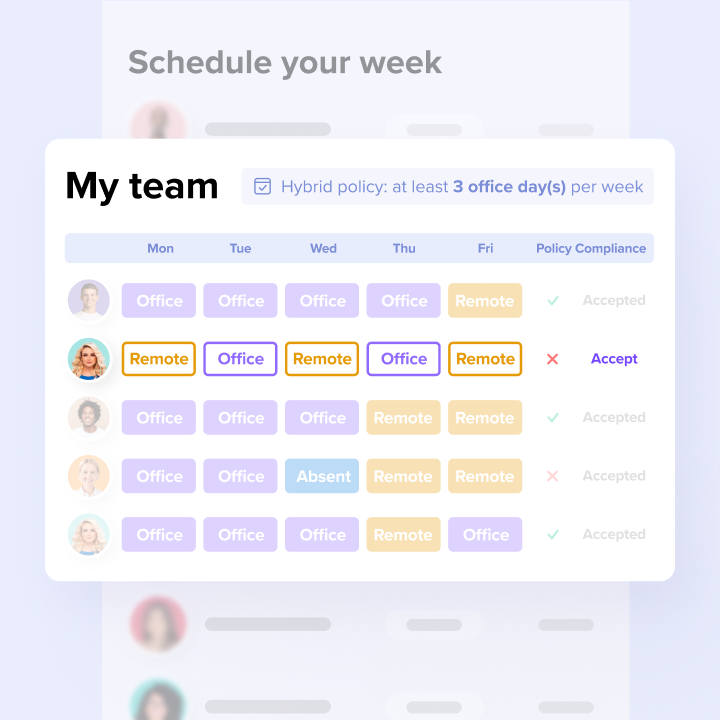
See how deskbird makes every commute count
- Show employees who's in before they commit to the commute
- Coordinate office days so every trip leads to real collaboration
- Book desks and parking in one click, no back-and-forth needed