

Why have dedicated workspaces in hybrid offices?
While hot desking continues to grow in popularity, many employees still express a clear need for dedicated workspaces. This doesn't mean stepping backward from flexibility, it means adapting to what your workforce actually needs.
The future of work is built on employee centricity and adaptability. By keeping some assigned desks alongside flexible spaces, you create a workplace that balances cost efficiency with individual preferences, helping everyone work at their best.
What is a dedicated desk or workspace?
Dedicated workspaces, also referred to as “assigned or dedicated desks” are a type of seating arrangement commonly found in traditional workspaces and open office environments. Unlike a hot desking model, where your employees book any available desks, dedicated desks are usually reserved for the exclusive use of a specific person.
This system provides users with a consistent work location where they can leave their equipment and belongings without having to clear the space at the end of each day. Keeping dedicated desks in a hybrid work environment can be great for striking a balance between the flexibility of hot desking and personalizing traditional office setups. They offer a sense of permanence and a designated spot to focus within a shared and agile office design.
Dedicated workspaces come in two forms: home offices for remote work and assigned desks in the office. Both serve the same purpose: giving employees a consistent, personalized space to work effectively.
- Dedicated workspace in the office: An assigned desk in the office is the traditional desk setup most people recognize, one specific workstation designated for a particular employee.
- Dedicated workspace at home: At home, employees can dedicate one specific area exclusively for work-related tasks.
The perks of having a dedicated desk
If you're reading this article, you likely already understand the importance of modernizing the workplace and enabling a more flexible office. However, the most crucial element for embracing the future of work and boosting your business is an employee-centric approach.
If some people in your workforce express wanting to keep an assigned desk, factor this into your office space planning. Knowing and considering what your team members want is essential.
A fixed desk also offers some benefits, including:
- It can be personalized: with a dedicated desk, employees have the comfort of making their work area their own. They can set up pictures, plants, or even ergonomic equipment, making it more conducive to productivity and enjoyment.
- It offers consistency: returning to the same space each time they come on-site provides a stable work environment, which helps in daily routine and productivity.
- It reinforces cyber risk management: employees don’t have to worry about leaving belongings when the desk is exclusively theirs.
- It decreases setup time: for your staff, knowing that they have a space set up with all their materials at hand can streamline their workflow, allowing for a more efficient workday.
Ultimately, incorporating assigned spaces within a flexible seating plan combines structure with freedom, enhancing employee satisfaction and productivity. It can particularly benefit those who thrive on consistency or handle sensitive information.

Why plan for for assigned desks in a hybrid office?
A guarantee that employees have the workspace they need
Not everyone wants to sit at a different desk whenever they come to the office. Some might simply prefer one workstation and don't want to change it constantly. Others might require specific equipment, and a particular workspace meets their needs perfectly.
What's most important is that each employee has access to a workspace that meets their needs. This approach delivers two key benefits:
- Boosts individual productivity
- Enhances satisfaction and well-being
A dedicated workspace for fully focusing
Consider this scenario: Your colleague Andrew comes on-site twice a week, on Tuesday and Thursday. When planning his schedule, he dedicates one day to collaborative projects and the other to highly-focused tasks he can't do at home.
In every office space, some areas are more conducive to concentration than others. Andrew knows this and constantly tries to book the same desk. Unfortunately, this workstation isn't always available, forcing him to reserve another spot, risk being unable to concentrate, and feel frustrated.
Keeping some dedicated desks in your office space and assigning one to Andrew each Thursday helps you solve this scheduling conflict and gives him the best chance to be in full-focus mode.
A space management approach to boost employee satisfaction
The strong demand for flexible work arrangements forces companies to adjust their working policies and rethink how the workplace is used and designed. The office space should fulfill the needs of a hybrid workforce while remaining profitable.
Two main perks of switching to a hybrid work model:
- Downsizing the office space and reducing real estate costs
- Lowering utility and maintenance bills
However, don't forget to consider your employees' expectations when planning to reduce the size of your workspace. Ask yourself:
- Are all team members comfortable with a hot desking system?
- Are some coming more often than others and willing to work from the same desk each time they're on-site?
By keeping some fixed desks, you're more likely to make everyone happy. People can have the desk they want and switch to a hybrid work model at their own pace.

How to manage dedicated workspaces in a hybrid work environment?
Know your employees’ needs
The first step to creating a work environment that answers your staff's needs is to include them in the process. If you want to build a place that makes them thrive, the best way to succeed is to ask them what they expect from the physical workplace.
If they can choose when to come to the office, send surveys to understand:
- How often they plan to be on-site weekly
- Which type of workspace they usually intend to book (isolated single desk, spot at a collective table, meeting room, etc.)
- Whether they mind working from different areas in the office, or prefer to stick to the same workstation
Find the right balance between the amount of dedicated workspace and hot desks
One of the biggest advantages of hybrid work for companies is its cost reduction potential. Don't counter this advantage by planning more assignable desks than necessary. This is why analyzing your employees' expectations first is key. You can then find the right balance between their needs and your requirements.
Some positions require more on-site work than others. This can also be a useful indicator:
- A person who needs to be in the office most days might prefer to work from the same desk every day
- A team member who comes every few weeks is more likely to understand and not be bothered if they sit at a different spot each time

Be fair and equal to all team members
Desk assignments must be done in a fair and equal manner. All employees should be entitled to a workspace that helps them perform their work in the best conditions. To do so, managers should not express favoritism or discrimination.
If several people request the same desk each time they come on-site, you must figure out what could work best to make everyone happy without making biased decisions.
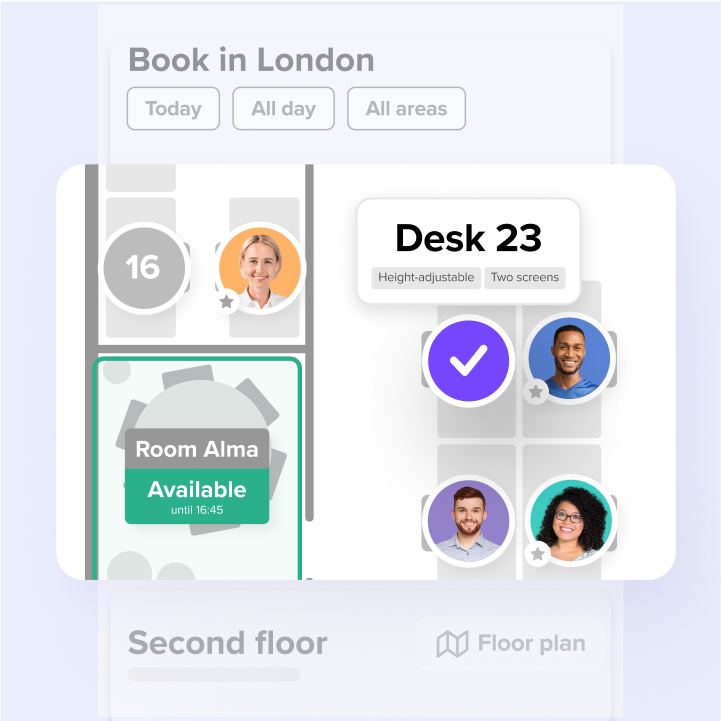
For example, people can pick their favorite desk for one month and book other workspaces the rest of the time. Using deskbird, you can dedicate this specific desk to your team member for a month thanks to the "assigned space" feature.
Use hybrid workspace management technology
Lastly, you can get crucial support and improve your hybrid workspace management, including desk assignments, by using hybrid workplace technology.
Tools like deskbird enable you to:
- Optimize your flexible office
- Coordinate desk and room booking
- Assign spaces (desk, rooms, parking lots, etc.)
CRE professionals, HR executives, and team leaders can do this with one tool and a few clicks. Accessible from anywhere and anytime, this digital ally also collects office analytics to provide key data and help you make the right choices regarding your office space management.
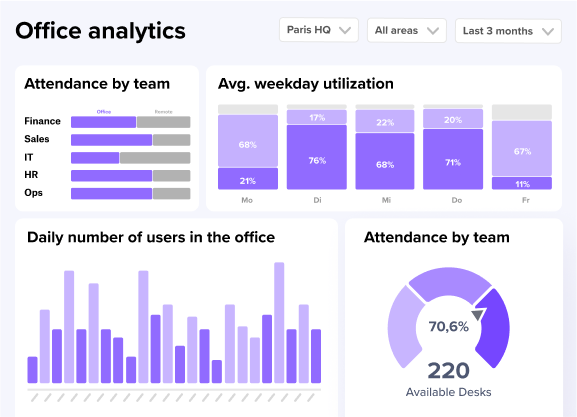
Reanalyze the use of your dedicated desks regularly
Reevaluating the utilization of dedicated desks on a regular basis is a critical practice for ensuring that an office space model remains aligned with both the company’s objectives and the employees’ evolving needs. As team structures, project demands, and workforce dynamics change over time, what once seemed like an optimal desk assignment strategy may no longer serve the organization effectively.
Regular analysis on office usage data can spotlight patterns, highlight under or over-utilized areas, and identify new preferences or requirements among staff. This proactive approach allows businesses to readjust their office layout to changing circumstances. This enables a supportive, productive environment that reflects current working styles and enhances overall employee satisfaction. Adaptable space management is, therefore, essential for sustaining efficiency and fostering a responsive office culture.
Dedicated desks are part of wider office experience planning
The goal of introducing more flexible work practices is not to downsize but to foster an employee-centric and productive work environment. Letting people work from anywhere, and sometimes at any time, is one part of the definition of flexibility at work. It also implies adapting to your workforce's expectations.
While this article explains the benefits of allowing some dedicated workspaces in the office, it doesn't mean your team needs them. This is specific to each organization, and determining whether having assigned desks is necessary for your staff is key. However, we highly recommend to embrace flexibility. It’s the key to a thriving workplace that fully leverages the benefits of all types of workspaces, from hot to fixed desks and meeting rooms.
If you are looking for a user-friendly, modern tool to run your workplace smoothly, request a free demo of the deskbird app and discover all the features that enable you to optimize your office space and boost employee experience.

Frequently Asked Questions
What percentage of my office space should we dedicate to collaboration areas?
Ideally in hybrid workplaces, around one-fifth (15-20%) of total space should encourage teamwork. Balancing collaborative and individual zones helps reduce overall space needs while keeping employees engaged.
How does deskbird support office space optimization?
deskbird provides real-time analytics, interactive floor plans, and booking tools to help you monitor desk, room, and zone utilization. With usage data and insights, you can spot underused areas, adjust layouts, set desk-sharing ratios, and make evidence-based decisions to improve office ROI.
How can managers track utilization of desks and teams?
deskbird provides detailed analytics on workspace and team usage. Managers can track occupancy, booking trends, and attendance across desks, rooms, and offices. These insights reveal underused areas, help optimize layouts, and guide smarter decisions on office capacity and hybrid policies.
Smart desk sharing and booking for modern workplaces
deskbird is most intuitive solution to manage both dedicated and shared desks that your team will love from day one.
