

ROI of office catering: Why it’s more than just free food
TL;DR: Is office catering worth the investment?
Office catering can deliver a positive ROI, but only when it’s aligned with hybrid attendance, actual demand, and clear goals.
When done right, catering improves employee satisfaction, encourages office attendance on key days, and supports collaboration without unnecessary waste. When done poorly, it becomes a hidden cost driver. The difference lies in data: understanding who comes in, when they come in, and how catering supports your workplace strategy.
Why smart office catering strategies could be your company's best investment yet
Providing catering services in office spaces has become very important to employee satisfaction and productivity. However, catering can be a significant expense without proper management due to potential wastage. In this short article, we will explore effective strategies to maximize return on investment in office catering by focusing on cost-saving measures and reducing food wastage.
The importance of office catering
There is no love sincerer than the love of food - J.B. Shaw
Everyone loves food. Whether a little snack, a hot cup of coffee after a long meeting or a fresh, nutritious salad on a hot summer workday.
A good sandwich will break or make a work lunch. And also uplift your morale, if you have to spend two hours closed in a meeting room with Jeff discussing the latest stats from the Q2 sales.
Let’s be honest, then - office catering plays a crucial role in enhancing employee morale, promoting a positive workplace culture, and improving productivity.
According to a study by ZeroCater, 60% of employees feel more valued when their company provides food, and 56% state that they are more likely to stay with their current employer if food is provided. Shocking, right?
We are creatures of habit and the commonality provided by food (even if it’s just a simple coffee and snack vendor machines) create a sense of camaraderie among team members, fostering stronger interpersonal relationships and collaboration. Just think about how many informal conversations and ideas you’ve shared with colleagues over a cup of coffee or during a lunch break.
On top of that, catered meals can save employees time and reduce the stress associated with meal planning and preparation, allowing them to focus more on their work. Not all offices are located in neighborhoods surrounded by coffee shops or supermarkets - and having to prepare lunch and snacks everyday before coming to work, is definitely an added chore that nobody wants to take on.
But, we also have to look at the not-so-bright side of the catering world.
In fact, these benefits come with associated costs and the potential for wastage, necessitating efficient management.
To make it successful for everyone, companies must carefully plan their catering services to balance the advantages with the financial implications. Implementing sustainable practices, such as ordering the right quantities and choosing environmentally friendly packaging, can mitigate wastage and contribute to a company's green initiatives. Additionally, seeking feedback from employees about their preferences can help tailor the catering options to better suit their tastes and dietary needs, further enhancing the positive impact on morale and productivity.
Let’s analyze some strategies that can save money without compromising on quality (and deliciousness).

Strategies for cost-saving in office catering
- Accurate headcount and portion control: over-ordering is one of the primary causes of food wastage in office catering. Ensuring an accurate headcount and implementing portion control can significantly reduce this issue. Companies can use RSVPs and feedback systems to gauge the correct amount of food required.
- Opt for economical menus: cost-effective doesn’t mean low quality. Go seasonal and locally sourced as much as possible to cut costs and support sustainability efforts.
- Bulk ordering and long-term contracts: another good trick is negotiating bulk orders and long-term contracts with catering providers. It will help building a good relationship with the providers and it can lead to substantial discounts.
- Utilize technology for efficient planning: we say this all the time. We don’t have to be scared of technology. With the right tool, we can improve our worklives and, in this case, streamline the catering order process. Apps and software tracking consumption patterns and preferences can help make informed decisions about future orders, thereby reducing wastage.
- Encourage healthy eating habits: be an example for your employees. Provide healthy and nutritious food options, make it fun and help your tramp stay healthy. It will reduce sick days, indirectly boosting ROI. Healthier options often have longer shelf lives and generate less waste.
Reducing food wastage
Another hot topic is related to food wastage and to deal with it. In today time and age, it’s not acceptable to mismanage resources, especially food ones. So, we have a few tips and tricks that will help you do the right thing:
- Donation of excess food: don’t be greedy - if you are left with excess food after a party or an office event, partner with local charities and food banks to donate surplus food. You will mitigate wastage and support community welfare. This reduces waste and enhances the company's corporate social responsibility profile. Win-win!
- Composting: we can’t avoid it - sustainability is the key to preserve our hearth, and we can do that in every part of our business, including catering. Implementing composting programs to remove unavoidable food waste can reduce the environmental impact. Composting organic waste can become valuable fertilizer, contributing to ecological sustainability.
- Employee feedback: check in with your employees on a regular base. Did they like the pasta salad they served last Monday? Were the vegan options of good quality? Would they prefer a different coffee brand? Employee input about food preferences and consumption can help adjust orders to meet demand better. This reduces the likelihood of leftovers and wastage.
- Flexible menus: tastes change. And, as we are all about flexibility at work, we also have to adjust the menus offered, based on daily attendance or preferences. For example, buffet-style meals or customizable options can cater to varying appetites and reduce fixed portions that might go uneaten.

Measuring ROI of catering
Now that you have all the information on how to save money and avoid wastage, how shoud you measure the ROI of your catering services?
There are few points companies should consider to correctly measure their ROI: tangible and intangible benefits.
- Tangible benefits include cost savings tips like the ones we mentioned above, from reduced wastage and efficient ordering. Efficient ordering systems minimize over-ordering, which directly translates to less food waste and lower expenses. Additionally, streamlined catering processes can result in significant savings on procurement and labor costs, thereby positively impacting the bottom line.
- Intangible benefits, on the other hand, include a range of factors that, while harder to quantify, are equally important. For example, enhanced employee satisfaction. How much happier are well-fed employees? Office catering can potentially reduce stress and increase overall happiness. Research shows also that satisfied employees are more productive and motivated, which can lead to better work performance and innovation. Employee retention is another critical intangible benefit. High employee turnover can be very expensive for businesses due to recruitment, training, and the loss of institutional knowledge. By providing catered meals, companies can improve job satisfaction, which is a key factor in retaining top talent. Furthermore, regular catering can foster a sense of community and teamwork among employees, enhancing the overall workplace culture .
It’s clear that tracking key performance indicators is very important to gaining a comprehensive view of the ROI on office catering.
Metrics such as employee engagement can be gauged through surveys and feedback forms that assess employees' perceptions and satisfaction levels with the catering services. Attendance rates at catered events can indicate the popularity and effectiveness of these initiatives in bringing teams together. Comparing overall food costs against the budget helps in understanding financial efficiency and making necessary adjustments to maximize value .
By considering both tangible and intangible benefits and systematically tracking relevant KPIs, companies can gain a holistic understanding of the ROI on office catering, allowing for more informed decision-making and strategic planning.

Conclusion
Efficient office catering management is essential for maximizing ROI. By implementing strategies focused on accurate planning, economical choices, technology integration, and sustainability, companies can significantly reduce costs and food wastage. Moreover, considering both tangible and intangible benefits will provide a holistic understanding of the value added by office catering services.
By applying these strategies, businesses can ensure that their investment in office catering delivers maximum benefits to employees and contributes positively to the company's bottom line.
Because a happy team starts with a full belly!
To learn more on this topic:
THE SURPRISING ROI OF FREE FOOD AT WORK (onsafarifoods.com)
Lunch Catering for the Office: Boosting Team Morale with Delightful Dishes » Metro Catering
Frequently Asked Questions
What is the ROI of office catering?
The ROI of office catering comes from improved employee experience, higher in-office attendance on collaboration days, and stronger team engagement. Financial returns are indirect but measurable when catering is aligned with attendance data and used intentionally rather than daily by default.
Does office catering actually increase office attendance?
Yes, when used strategically. Catering works best when tied to specific days, events, or team moments rather than offered every day. Paired with hybrid planning and desk booking data, it can help concentrate attendance and improve collaboration.
How can companies avoid wasting money on office catering?
Avoid fixed daily catering without understanding demand. Track attendance, align catering with peak days, and scale portions based on real usage. Data from desk booking and occupancy tools helps prevent over-ordering and food waste.
Is office catering a cost or an employee benefit?
It’s both. Office catering should be treated as a targeted workplace investment, not a blanket perk. When combined with flexible work policies and smart space planning, it supports culture and productivity without inflating operational costs.
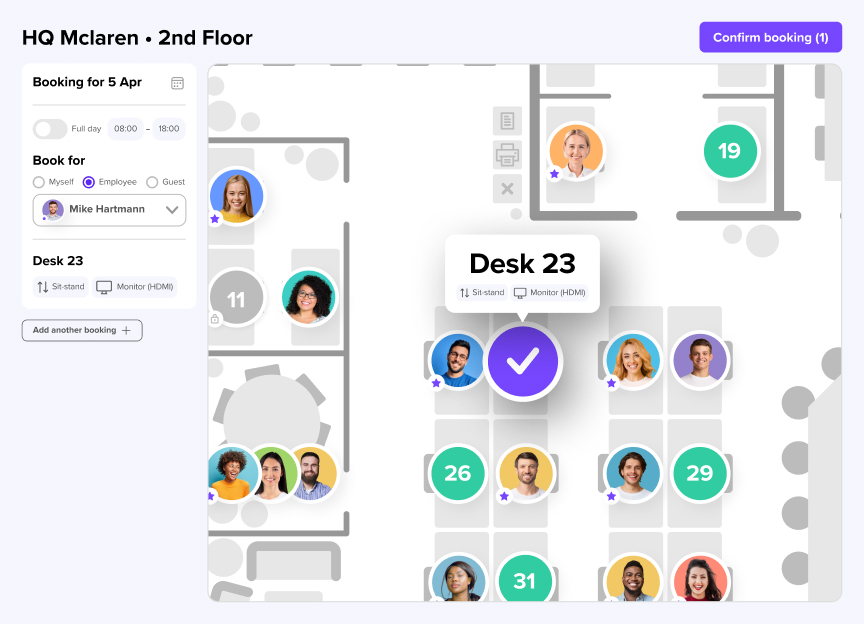
Elevate the employee experience at your organization today
- Book guests, catering, tech setup, and parking in one smooth flow
- Keep service providers in the loop with real-time updates
- Reduce cleaning, utility, and maintenance costs for unused office spaces