

How to promote an inclusive workplace culture
Organizational culture is what holds your company and your workforce together. No matter which type of corporate culture you choose, implementing inclusive practices is fundamental. But, what is an inclusive work culture? Why is it important and how do you foster inclusion at work?
Being inclusive is everyone’s responsibility at every level of your organization. Although building a diverse team is essential for developing a work environment that is fair to all communities, it is only one side of the DEI (Diversity, Equity, and Inclusion) triangle. Hiring employees from all backgrounds and minorities is great, but it is not enough to make things fair.
What does it mean to promote an inclusive work culture?
An inclusive work culture implies adopting practices and behaviors that create a sense of belonging for all communities and allows every employee to have access to the same opportunities. Gender, age, race, religion, sexual orientation, disability, and all of the different examples of diversity in the workplace, are welcome, respected, and given an equal and fair chance to develop their career path. When inclusion is part of a company’s culture, it represents one of the main corporate values. Therefore, all employees in any position are expected to demonstrate an inclusive approach toward each other.
👋 Do you want to learn more about deskbird? Discover the advantages of a user-friendly desk booking app: click, book, work!

The reasons why building an inclusive work environment is fundamental
Applying inclusive practices improves employee experience
Successful employees make businesses thrive. But unhappy and unsatisfied workers feel disconnected from their professional lives. This directly impacts their performance. While employee experience plays a key role in enhancing employee happiness and productivity, an inclusive workplace boosts employee experience! It creates a work environment where people from all backgrounds feel comfortable and respected.
Being inclusive lowers your employee turnover
When you create a sense of belonging, give the same chances to everyone without discrimination, and make these aspects a priority, you already meet a number of important employees’ expectations. More than ever, people want a job that matches their personal values. For Millennials and Gen Z, social justice is a crucial topic. Consequently, they highly value DEI initiatives. But, career development is also a fundamental aspect. As Generation Z is the most diverse demographic group, giving the same chances to all communities is a must to retain this young talent. Both Millennials and Gen Z don’t hesitate to quit their job if their expectations aren’t met. Focusing on DEI is a great way to maintain low employee turnover.
An inclusive work culture attracts talent
Employee retention and attraction go hand in hand. Therefore, it is likely that what keeps your workers by your side is also what makes them want to work with you. Corporate culture is crucial when choosing to apply for a job at a company or not. Promoting an employee-centric and inclusive culture gives you an advantage in the labor market to attract the best talent.
⏩ Are you treating your employees equally and fairly? Discover the difference between workplace equity vs. equality!
Diversity, equity, and inclusion boost productivity and performance
As highlighted in our article about the benefits of diversity in the workplace, diverse teams are 19% more innovative than others. Yet, this is only one of the reasons why DEI is key. Another explanation is that bringing people from different backgrounds together forms a very resourceful team. However, to give your employees the chance to share their skills, get the most out of their experience, and fully benefit from everyone’s knowledge, you need to enhance diversity at every level of your organization.
Creating an inclusive work environment enhances your reputation and brand image
DEI matters go beyond the walls of your workplace. People are caring more about social injustice, and Gen Z is particularly active in this cause. The initiatives put in place to build a more diverse, fair, and inclusive work environment matter not only when applying for a job, but also when supporting a company by becoming a partner or a client. Nowadays, reputation spreads quickly on social media and other online platforms. Creating a genuine DEI strategy is fundamental to maintaining a positive and people-focused brand image.
Workplace inclusion is the cornerstone of a successful management style
Having an inclusive management style helps you meet your employees’ expectations. People who belong to a minority want to be represented and have the same chances as others. But workers who don’t belong to a specific minority also want to see more social justice and fairness in the workplace. As a leader, your main objective is to ensure your coworkers thrive and achieve their goals, right? Promoting diversity, equity, and inclusion also allows you to benefit from the aspects mentioned above and can undoubtedly make a huge difference in your team’s success.
🎬 Follow deskbird on YouTube and discover how Mr. Purple helps you fix your hybrid work issues!

Inclusive workplace best practices
Give a voice to all of your employees
How can you create an inclusive work environment in practice? Giving a voice to ALL of your employees is the first commitment you must make when promoting workplace inclusion. Nobody should be left behind and everyone should have the opportunity to share their opinions (without worrying it could impact their career). All communities should also be considered in decision-making and surveys should be conducted to give all team members the chance to express their thoughts.
Require the use of inclusive language in the workplace
Encouraging the use of an inclusive vocabulary at work helps avoid bias and expressions that discriminate against minorities. Your objective here is to speak a language that includes as many people as possible. For example, instead of motivating your team by saying “Ok guys, let’s do this!”, you could say “Ok everyone, let’s do this!”. You can also opt for the term “parental leave” instead of “maternity/paternity leave”. To foster an inclusive work culture try to speak inclusively as much as you can in your verbal and written communication (job description, internal mailing, Slack, social media posts…).
Create an inclusive workspace design
Imagine how a worker with a disability would feel they didn’t have access to equipment adjusted to their needs. Very often, the diversity box is ticked, but in terms of equity and inclusion, there is still room for improvement. Creating an inclusive work culture is not only about behavior, but it is also about how inclusive your office layout is. A good exercise is to put yourself in your team member's shoes. Through this, you can understand if the physical work environment is designed inclusively or not and make changes accordingly.
Include holidays from all religions in your corporate calendar
Adding all religious holidays, or the ones represented in your company, to your corporate calendar is another great way to encourage workplace inclusion. This enables all employees from any religious background to honor dates that are important to them. For example, Muslim team members can take a day off to celebrate Eid-al-Fitr or Eid-al-Adha. Jewish workers might want to be off for Rosh Hashanah and Yom Kippur. Not restricting holidays to the main religion of your country and celebrating other beliefs shows your workforce that everyone’s beliefs are respected and included.
👋 Do you want to know how to optimize space and cut costs with a flexible office? Learn how you can save up to 30% with these cost-cutting ideas!

Raise awareness with DEI training
DEI training helps your workforce understand the purpose of diversity, equity, and inclusion and how to make it part of your culture. The goal of this type of training is also to make sure DEI practices are applied at every level of your business. Workshops also provide concrete ideas and encourage everyone to share their opinion about this topic. Coworkers can discuss their differences, learn more about each other's feelings and find solutions to make their work environment more inclusive.
Promote an inclusive work culture with deskbird
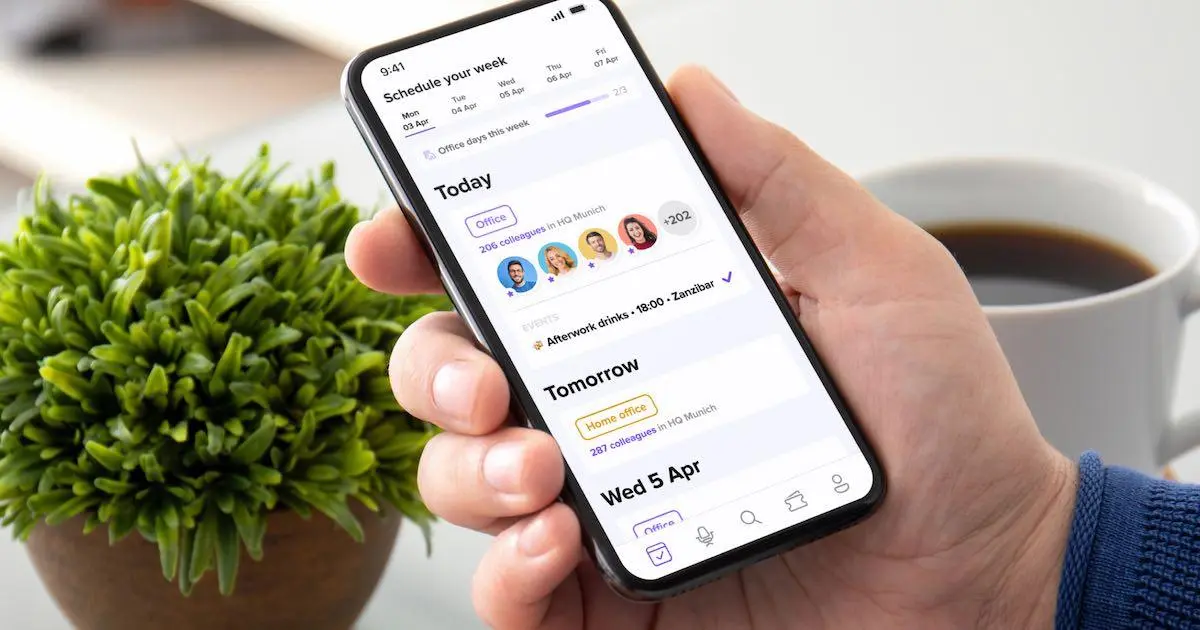
deskbird makes access to the office fair and predictable for everyone, not just the people who show up most. it does this through a single system for booking desks and rooms, plus hybrid work policy controls (rules, approvals, reporting) that help apply flexibility consistently across teams and individuals.
It also supports inclusion by increasing transparency and feedback loops: teams can see who is in the office to coordinate collaboration, while workplace analytics and qualitative inputs (like surveys) help spot friction or inequities and improve the environment based on real usage and needs. This “data plus clarity” approach reduces presence bias and helps leaders design policies and spaces that work for both remote and on-site employees, improving employee experience for all.
Request constructive feedback to promote an inclusive work environment
Our last recommendation to help you promote an inclusive work culture is one of the most important ones. Asking your employees how you can make their work environment more inclusive is crucial. There is nobody better than them to tell you what could be improved on this topic. You can either ask them during a one-to-one meeting or send an anonymous survey if you think they would be uncomfortable telling you their opinions about workplace inclusion in person.
How do you foster an inclusive work culture in your organization? We hope this article helps you understand this key topic better and gives you some useful ideas for creating an inclusive work environment for all your employees. Flexible work arrangements also support DEI practices as they enable everybody to have a working schedule matching their individual needs. For example, allowing remote work opens new opportunities for people with disabilities and helps parents balance parenthood and their careers.

Frequently Asked Questions
How do workplace management tools like deskbird help create an inclusive workplace experience?
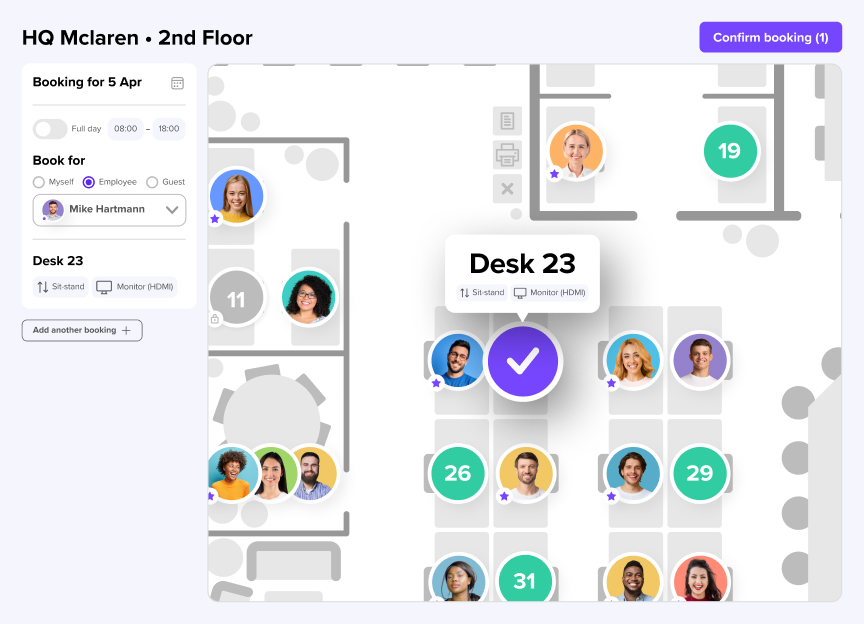
Workplace management tools like deskbird empower inclusion by giving equal access to workspaces and resources: everyone can book desks, rooms, and parking through the same system, regardless of office presence. With filters and accessibility options, employees with specific needs (e.g. ergonomic desks, quieter zones) can find spaces that work for them.
What are the 4 pillars of inclusion?
The four pillars of inclusion are diversity, equity, inclusion, and belonging (DEIB). Diversity ensures representation. Equity ensures fair access to opportunities. Inclusion ensures everyone’s voice is heard and valued. Belonging fosters connection and trust, making employees feel respected, supported, and part of your organizational culture.
How can companies make social events more inclusive?
Inclusion comes from offering diverse event formats that consider different personalities, schedules, and interests. Providing a mix of active, relaxed, in-person, and virtual options ensures everyone has a chance to participate. Gathering employee feedback before planning helps you tailor events to real preferences.
Why is diversity important in the workplace?
Diversity matters because it fuels innovation, collaboration, and performance. Teams with different backgrounds bring broader perspectives, leading to stronger problem-solving and creativity. It also strengthens employee satisfaction, improves company reputation, and drives profitability. Research shows the most diverse companies are up to 48% more profitable than the least diverse ones.
Seamless workplace experience for everyone
Give your teams a simple way to book desks and spaces, and all our employee-centric features that improve experience and cut costs.